
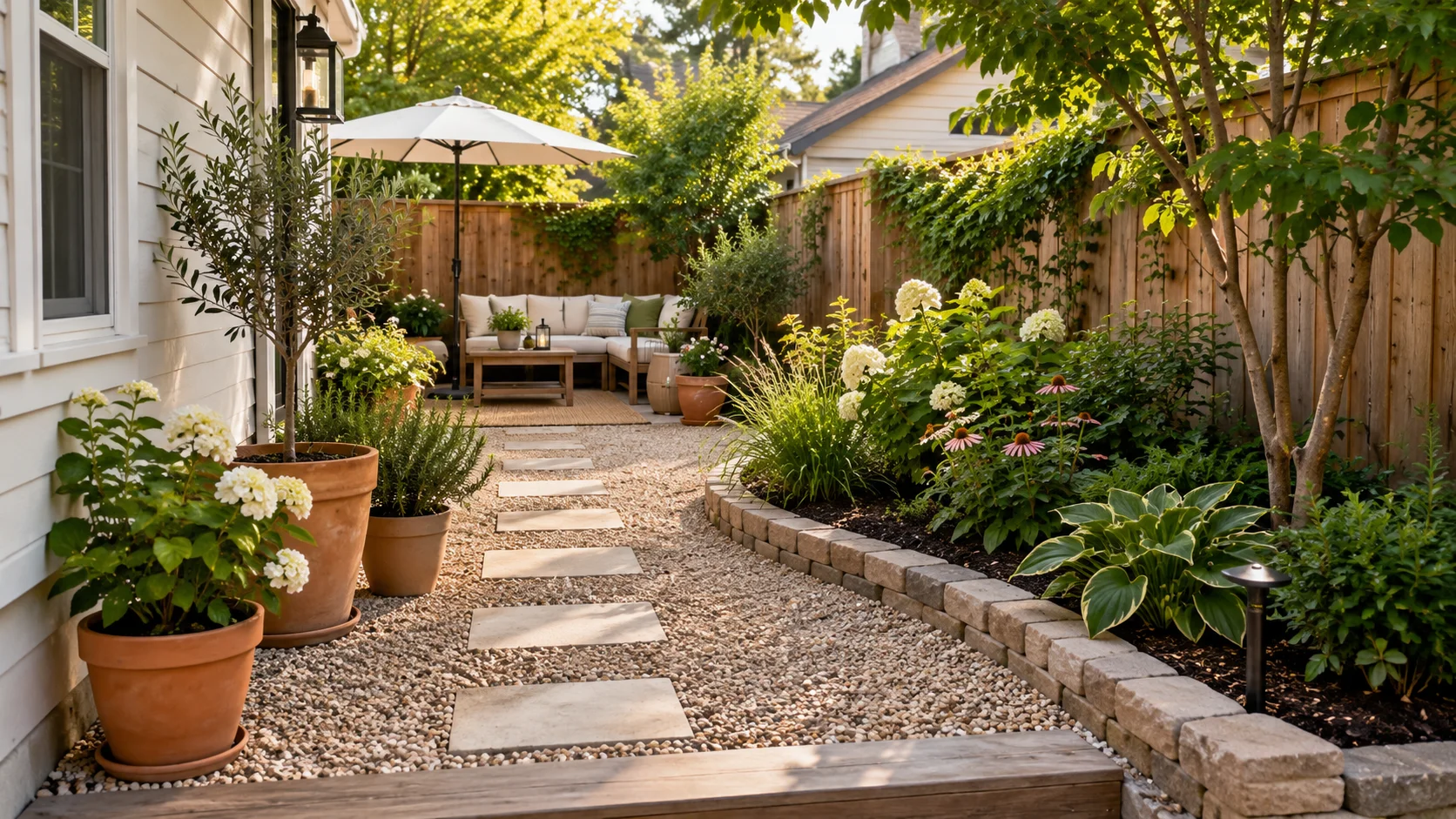
A small backyard doesn’t need an expensive landscaping project to feel beautiful. With a few thoughtful changes, affordable materials, and plants suited to your space, even a plain patch of grass or a narrow outdoor corner can become a garden you genuinely enjoy spending time in.
The secret is to work with the space you already have. Instead of buying lots of decorations or filling every empty spot with plants, focus on a few improvements that make the backyard feel more intentional. A simple gravel path, a group of containers, a comfortable chair, or a well-defined planting bed can make a surprising difference.
These small backyard garden ideas on a budget are designed for homeowners and renters who want a welcoming outdoor space without committing to a costly makeover. You’ll find easy DIY projects, space-saving planting ideas, affordable landscaping tricks, and practical tips for keeping the finished garden manageable.
Amazon affiliate disclosure: As an Amazon Associate, I earn from qualifying purchases.
1. Start With a Simple Backyard Layout
Before buying plants, pots, or garden decorations, take a look at how your backyard currently works. A small outdoor space often feels messy because everything is scattered around without a clear purpose.
Start by deciding what you want the garden to do. Do you want a quiet place to sit with coffee, a colorful flower corner, a spot for growing herbs, or a little of everything?
You don’t need a professional garden plan. Divide the available space into two or three simple zones:
- Planting zone: A narrow border, a few pots, or a small raised bed.
- Relaxing zone: One or two chairs with a small table, if space allows.
- Open zone: A clear route for walking, accessing the yard, or maintaining plants.
Keep the walking route clear and avoid placing large planters where doors need to open. If the yard is narrow, planting along one boundary may work better than creating beds on both sides.
A layout also helps you avoid unnecessary purchases. Once you know where plants, seating, and paths belong, you can buy only what the space actually needs.
2. Create a Garden Border Instead of Landscaping the Entire Yard
One of the easiest ways to make a small backyard look more finished is to create a defined garden border.
Rather than trying to landscape the whole yard, choose one edge along a fence, wall, or boundary. Remove unwanted weeds, prepare the planting area, and arrange a small selection of plants in a deliberate pattern.
A border can include:
- A few flowering perennials suited to your climate.
- Compact shrubs for structure.
- Ornamental grasses for texture.
- Low-growing plants near the front.
- Mulch to give the bed a more finished appearance.
Repeat a few plant varieties rather than buying one of everything. Repetition creates a more cohesive look and can make a small garden feel calmer.
You can define the edge with a simple spade-cut border or affordable edging. There’s no need to buy decorative stone borders immediately.
Budget tip: Start with one short section of the yard. Extend the border later if you like the result.
3. Use Container Gardens for Instant Color
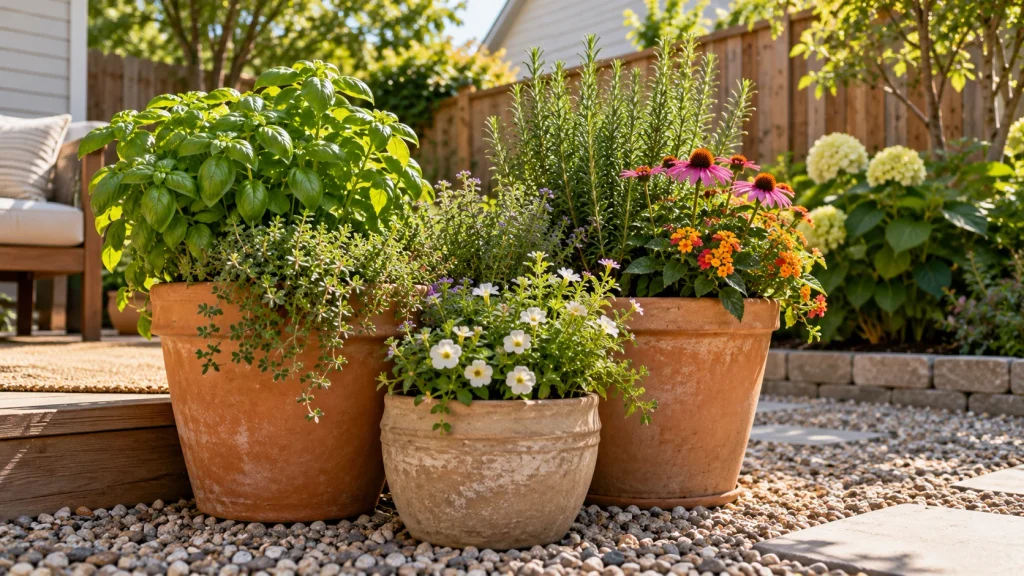
Containers are a practical choice when you don’t want to dig up the yard or invest in permanent landscaping. They work particularly well on patios, rental properties, paved areas, and small backyards with limited planting space.
For a coordinated look, choose two or three pot colors and repeat them around the garden. Terracotta, charcoal, muted green, and natural stone tones can work beautifully with greenery.
Try arranging containers in groups rather than spreading single pots randomly around the yard. Use a combination of heights: one larger pot, two medium containers, and a smaller pot can look more intentional than a long line of identical planters.
Choose plants based on the amount of sun the area receives. Sun-loving flowers won’t thrive in a deeply shaded corner, while some shade-tolerant foliage plants may struggle in intense afternoon heat.
Make sure outdoor containers have drainage holes and use a suitable potting mix. Containers can dry out faster than garden beds, so plan for watering during hot or windy weather.
Affiliate product opportunity: Add a relevant Amazon category link for outdoor planters or container gardening supplies.
Shop Outdoor Garden Planters on Amazon →
4. Build a Small Vertical Garden
When the ground is limited, use vertical space carefully. A fence, sturdy trellis, or suitable wall-mounted planter can create more planting opportunities without taking over the yard.
Vertical gardening can work for climbing flowers, selected compact vegetables, herbs, and trailing plants. The right option depends on sunlight, local climate, support strength, and the mature size of the plant.
A few ways to use vertical space include:
- Training a suitable climbing plant along a trellis.
- Grouping lightweight planters on a secure outdoor shelving unit.
- Growing herbs in containers near a sunny doorway.
- Using hanging planters where they won’t obstruct movement.
- Adding a narrow plant stand to an unused corner.
Avoid loading a fence or wall with heavy, water-filled containers unless the structure is designed to support them. Also consider drainage: water dripping onto a walkway can make it slippery, and moisture against a wall may cause problems.
The goal isn’t to cover every surface with greenery. One well-planned vertical feature can be more effective than several crowded arrangements.
5. Make a Simple Gravel Path
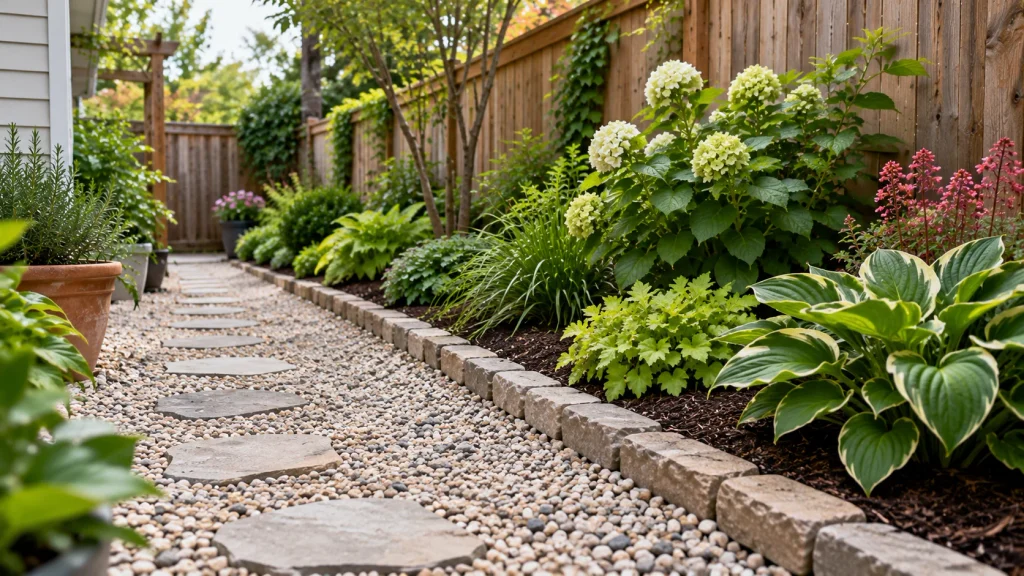
A path can give a small backyard structure and make it feel like a designed outdoor space. Gravel is one option worth considering because it can be less expensive than some hard landscaping materials.
A narrow path connecting a doorway to a seating area or garden corner can help organize the space. Keep the shape simple: a straight route often works well in a narrow yard, while a gentle curve may suit a wider area.
For a more durable result:
- Mark the route before buying materials.
- Check the ground and drainage conditions.
- Prepare a stable base appropriate for the site.
- Use suitable edging to keep gravel contained.
- Choose gravel that is comfortable and practical for your intended use.
Gravel isn’t ideal for every situation. Loose stones may be difficult for strollers, mobility aids, or some pets, and they can spread into lawns or planting beds. A firm, level surface may be a better choice when accessibility matters.
You can begin with a short section rather than covering the entire backyard.
6. Refresh an Existing Garden With Mulch
Sometimes the most noticeable improvement is simply making the garden look cared for.
A layer of suitable organic mulch around established plants can make a planting bed look tidier, help moderate soil moisture, and reduce some weed growth. It’s often a more useful purchase than decorative accessories that don’t improve the garden itself.
Before applying mulch, remove existing weeds and check the condition of the soil. Keep mulch away from direct contact with plant stems and tree trunks, and follow recommendations for the material you’re using.
Avoid piling it into thick mounds around plants. Excessive mulch can create moisture and root problems.
If you’re working with a limited budget, prioritize the areas visitors notice first, such as the border near a patio or the view from the back door.
7. Turn an Unused Corner Into a Cozy Seating Spot
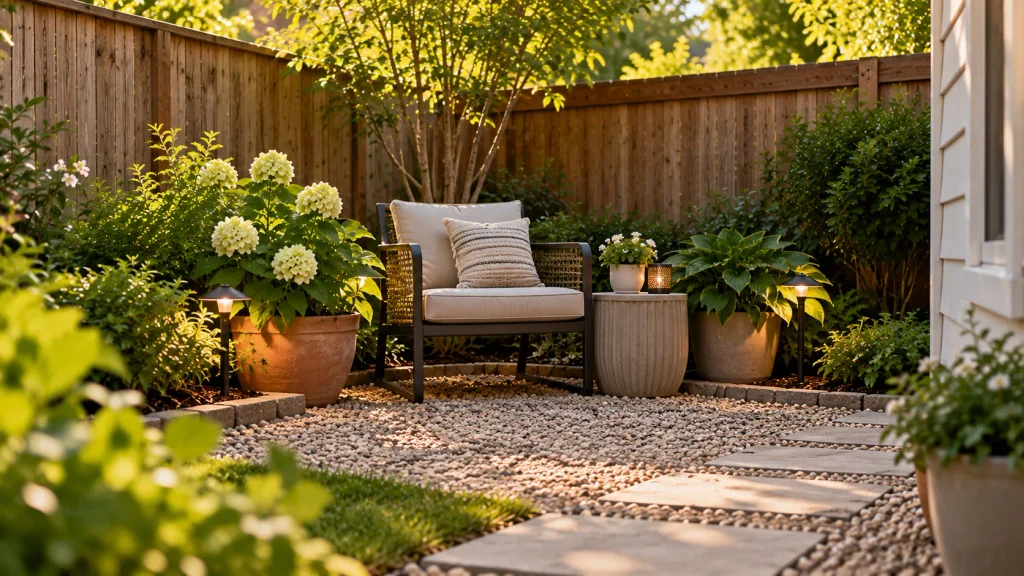
You don’t need a large patio set to make a backyard feel inviting. One comfortable chair and a small side table can create a useful place to read, enjoy a morning drink, or take a break outside.
Look for a corner that feels reasonably private and doesn’t block access to the rest of the yard. If the ground is uneven, make sure the furniture sits securely.
A simple setup might include:
- One weather-appropriate chair.
- A compact side table.
- One or two nearby planters.
- A washable outdoor cushion.
- A small solar light, if the location receives enough daylight to charge it.
Use furniture you already own if it’s suitable for outdoor conditions. Indoor furniture can deteriorate quickly when exposed to rain and humidity, so don’t assume every spare chair will work outside.
Keep the arrangement small enough that you can still move around comfortably.
8. Give Old Pots and Containers a Second Life
Before purchasing new garden decor, look at the containers you already have. A faded planter may only need cleaning, while a structurally sound pot can sometimes be refreshed with an appropriate outdoor finish.
You can also reuse suitable containers for decorative arrangements, provided they’re safe for the intended use and have proper drainage when holding plants.
A few easy ideas:
- Group mismatched pots together to create a deliberate collection.
- Use a larger container as the focal point and smaller ones as accents.
- Place a tired-looking pot inside a more attractive outer planter.
- Reuse sturdy nursery pots inside decorative containers.
- Paint suitable planters in a coordinated color scheme.
Don’t use containers that previously held hazardous chemicals, and avoid materials that may leach harmful substances into edible plants.
The best budget makeover is often the one that makes existing items look intentional rather than buying replacements for everything.
9. Create a Small Raised Garden Bed
A raised bed can be useful if your existing soil is poor, the ground is difficult to work, or you want a defined growing area.
For a small backyard, one compact bed is often enough to begin. Position it where plants receive the sunlight they need, while leaving enough room to reach the plants and walk around the bed.
You can grow suitable herbs, vegetables, or flowers, depending on your climate and the bed’s exposure to sunlight.
Before building, consider the full cost. The frame is only one part of the project; you’ll also need suitable soil or growing mix, and possibly compost, irrigation supplies, and protective materials.
Use untreated, appropriate materials for edible gardens and avoid timber with an uncertain chemical history.
If a raised bed is outside your budget, start with containers or a small in-ground border. A raised bed is a tool, not a requirement for having a beautiful garden.
10. Use Solar Lights to Add Evening Atmosphere
Outdoor lighting can make a small backyard feel more welcoming after sunset. Solar lights may be a convenient option where the selected spot receives enough direct daylight to charge them.
Rather than placing lights everywhere, focus on a few useful locations:
- Along a path where better visibility is needed.
- Near steps or changes in ground level.
- Around a seating area.
- Beside a prominent planter or garden feature.
Choose fixtures appropriate for outdoor use, and check their expected brightness and charging requirements before buying.
Solar lighting performance can vary with weather, shade, season, and battery quality. If a location receives little sunlight, a solar light may not stay bright for long.
Lighting should also be positioned thoughtfully so it doesn’t shine directly into a neighbor’s windows or create unnecessary glare.
Shop Solar Garden Lights on Amazon →
11. Plant Flowers in Repeating Groups
A small garden can look visually cluttered when it contains too many unrelated colors and plant shapes. Repeating a few varieties creates a more connected appearance.
For example, you might use one main flowering plant in several containers, repeat the same foliage plant along a border, or choose a limited color palette for seasonal flowers.
Consider bloom time, mature size, and sunlight requirements before purchasing. A plant that looks compact in a nursery pot may become much larger in the garden.
For a garden that needs less replanting, consider suitable perennials for your region. Annuals can still be useful when you want seasonal color, but their replacement costs should be part of your budget.
If you’re unsure what grows well locally, consult a nearby nursery or a regional extension service rather than relying on a plant’s appearance alone.
12. Make a Small Herb Garden Near the Door
A compact herb garden combines practical use with attractive greenery. A few pots near a convenient doorway can make fresh herbs easy to reach while cooking.
Choose herbs based on your climate and the amount of sunlight available. Some herbs need several hours of direct sun, while others tolerate partial shade better. Growing requirements also vary by variety.
Start with only a few herbs you expect to use regularly. Planting many varieties at once can create extra watering and maintenance work without providing much benefit.
Use individual containers when plants have different watering needs, and label them if you’re growing varieties that look similar.
If the space is sunny and accessible, a small herb collection can be a useful first gardening project. If the area is shaded, select suitable plants instead of forcing sun-loving herbs to grow in unsuitable conditions.
13. Add a Trellis for Height and Privacy
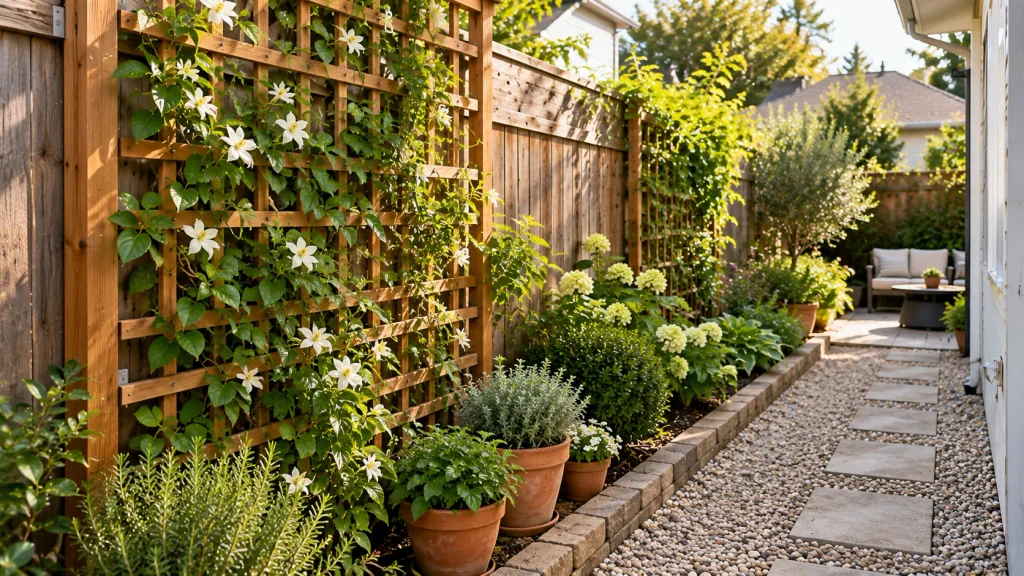
A trellis can introduce height, support climbing plants, and make a plain fence or wall more interesting.
Choose a trellis that suits the available space and the mature plant you’ll grow on it. Some climbers become heavy, spread aggressively, or need regular pruning, so check their growth habits before planting.
Secure the structure properly, especially in windy locations. Don’t assume a lightweight trellis can support a mature vine without additional support.
If you want more privacy, remember that a young climbing plant won’t create an instant screen. Choose plants suited to your climate and be realistic about how quickly they’ll fill the space.
A trellis works best when it solves a specific problem: adding greenery to a bare boundary, guiding plant growth, or creating a visual focal point.
14. Define the Lawn and Planting Areas
A small backyard often looks larger when its different areas have clear boundaries.
If you have a lawn, keep its edge neat and define where the planting bed begins. If the yard has no lawn, you can still create distinct zones using containers, paving, gravel, or a simple border.
Avoid using too many different surface materials in a small space. A consistent palette usually feels more cohesive than several competing colors and textures.
Before adding new edging or hard landscaping, consider drainage and maintenance. Some edging materials require more installation work than they appear to, and poorly placed barriers can interfere with water movement.
You don’t need a perfectly symmetrical garden. The aim is to make the space feel organized and easy to maintain.
15. Decorate With One or Two Focal Points
Garden decor can add personality, but too many small objects may make a limited outdoor space feel crowded.
Choose one or two features that suit the garden’s style. That might be a large planter, a simple birdbath, a sculptural pot, a small water feature, or a distinctive chair.
Think about scale before buying. A feature that looks beautiful in a large landscaped yard may overwhelm a narrow backyard.
Also consider ongoing care. Water features need cleaning and maintenance, while some decorative materials may fade or deteriorate outdoors.
If your budget is tight, prioritize plants, safe pathways, and seating before buying decorative extras.
16. Choose Plants That Match Your Sunlight and Climate
A garden can look beautiful at first and still struggle if the plants aren’t suited to the site. Matching plants to local conditions can save money by reducing replacements and unnecessary maintenance.
Start by observing how much direct sunlight each area receives. Notice whether the spot gets morning sun, intense afternoon sun, filtered light, or mostly shade.
Then check:
- Your local climate and plant hardiness guidance.
- Mature plant height and spread.
- Water requirements.
- Soil and drainage needs.
- Seasonal maintenance and pruning.
- Whether the plant is appropriate for pets or children if relevant.
Native plants can be a useful starting point because many are adapted to local conditions and can support local wildlife. However, the best choices still depend on your specific region and garden conditions.
Don’t buy plants simply because they look good together in a photograph. Select plants that can realistically thrive in your backyard.
17. Improve the Garden in Small Phases
You don’t need to complete every project in one weekend. In fact, tackling the garden in phases can help you understand what the space needs before spending more money.
Try this order:
Phase 1: Clean and plan
Remove unwanted clutter, identify problem areas, observe sunlight, and decide how the space should function.
Phase 2: Fix the basics
Improve access, define the planting area, address drainage issues, and prepare the soil where needed.
Phase 3: Add greenery
Start with a small border, a few containers, or one raised bed. Choose plants suited to the site.
Phase 4: Add comfort
Introduce a chair, a small table, or a useful lighting feature if your budget allows.
Phase 5: Add finishing touches
Consider coordinated pots, a trellis, or one decorative feature after the essentials are working.
This approach reduces impulse purchases and lets you learn which parts of the garden you use most.
Common Budget Garden Mistakes to Avoid
Buying plants before planning the space
You may end up with plants that need more sun, room, or water than the site can provide. Measure the space and assess the conditions first.
Trying to fill every empty area
Open space is useful. It provides access, improves the visual balance, and makes maintenance easier.
Choosing plants only by appearance
Check mature size, climate suitability, sunlight, and water requirements. A beautiful plant can become an expensive mistake in the wrong location.
Spending too much on decoration
Start with the basics: healthy plants, suitable soil, a usable path, and a comfortable place to sit. Decorative extras can come later.
Ignoring drainage and maintenance
Poor drainage, unstable paths, and inaccessible planting beds can create ongoing problems. Think about how you’ll water, prune, clean, and move around the garden before finalizing the design.
Frequently Asked Questions
How can I make a small backyard garden look nice on a budget?
Start by clearing clutter, defining a planting area, and repeating a few plant varieties. Reuse suitable pots, add mulch where appropriate, and improve one small section at a time instead of landscaping the entire yard.
What is the cheapest way to landscape a small backyard?
The lowest-cost approach depends on the existing yard. Cleaning up the space, creating a simple border, dividing existing plants where appropriate, and reusing suitable containers may cost less than installing new paving, raised beds, or a large lawn.
How do I make a tiny backyard feel bigger?
Keep walking routes clear, use a consistent palette of materials, group containers thoughtfully, and avoid filling every corner. Vertical planting can add greenery without using as much ground space.
What can I grow in a small backyard?
Depending on sunlight and climate, you may be able to grow flowers, herbs, compact vegetables, container plants, or suitable shrubs. Check the mature size and growing requirements of each plant before choosing it.
Are raised garden beds worth it in a small yard?
They can be useful when the existing soil is unsuitable or you want a defined growing area. However, containers or a small in-ground bed may be more affordable when the budget is limited.
How do I create a low-maintenance small garden?
Choose plants suited to your local conditions, group plants with similar watering needs, keep paths accessible, and avoid overly complicated layouts. Mulch can help manage soil moisture and some weeds when used correctly.
What should I buy first for a budget backyard makeover?
Start with the items that solve actual problems: appropriate soil or growing mix, plants suited to the location, basic tools, and materials needed to make the area usable. Decorative accessories should come after the garden’s basic needs are covered.
Final Thoughts
A small backyard can become a welcoming garden without an expensive renovation. The most effective changes are often simple: a defined planting border, a few coordinated containers, a short path, suitable plants, and one comfortable place to sit.
Start with the space you already have and choose improvements that fit your budget, climate, and routine. You can always add more as the garden develops.
The best garden isn’t the one with the most features. It’s the one that works for your space, looks inviting, and is easy enough to enjoy and maintain.
For More: Visit Nook & Nest Living